> To make matters worse, the axis always points in the same direction.
I don't understand how this was never explained to me in high school. Of course we learned that the tilt of Earth is what causes seasons, but I never understood why. Now I know why I didn't understand it, some part was missing.
And I literally thought I wasn't smart enough to understand.
It follows from conservation of angular momentum :) If the axis direction changed (for a fixed orbit), then Earth's (or Solar system's, etc.) angular momentum would be changed, not be conserved.
Indeed. Another fact you can use is that in Newtonian mechanics (although not in GR due to frame dragging, only approximately), a rotating spherical body has the same gravitational field as a static one. So there would be no mechanism for the axially tilted rotating Earth to influence the Sun (different from a non-rotating Earth).
I noticed this often happens in school.
A key piece of information is just missing and you just learn the right answer to pas tests, but never know why
The thing I spent some time puzzling about recently is why the changes to sunrise and sunset times through the year aren't symmetric about midday and why they have different rates at different time of the year. This led me to the equation of time [0], another fascinating rabbit hole.
They used to tell us you could stand an egg on its end on the equinox because the Earth was standing straight up and down. It really wasn't part of class, just something people mentioned. I even remember seeing a short news story of kids actually trying it in school. Then at one point one of my teachers pointed out people figured out you could do it any day of the year.
I guess a good animated 3d model, either digitally or one you can touch like this orrery, would have cleared up a lot of confusion. Especially if you can play with it in a darkened room with a flashlight.
I'm not sure about 'complex'. Something three-dimensional that you can interact with often help people's intuition more and more quickly than a 2d static illustration.
I know how the season's work, so I find the illustrations you linked to clear. But OptionOfT complained that they never understood the explanation in high school (and that looking at the lego model was enough), and presumably they had at least a static 2d illustration in the text book.
Yeah, the critical insight is that the tilt impacts how high in the sky the sun is, which in turn affects the length of the day and the incidence angle of the sunlight.


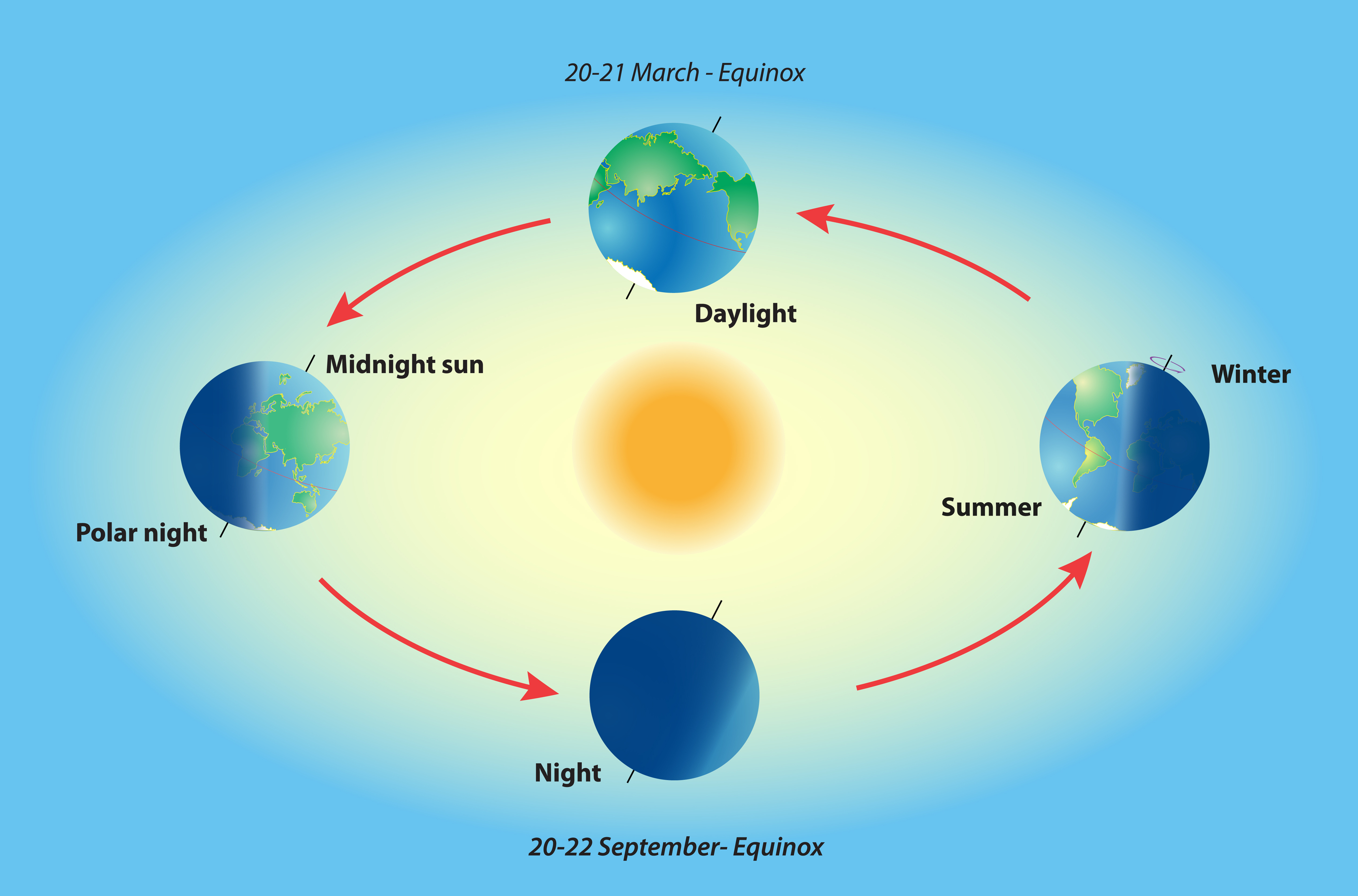
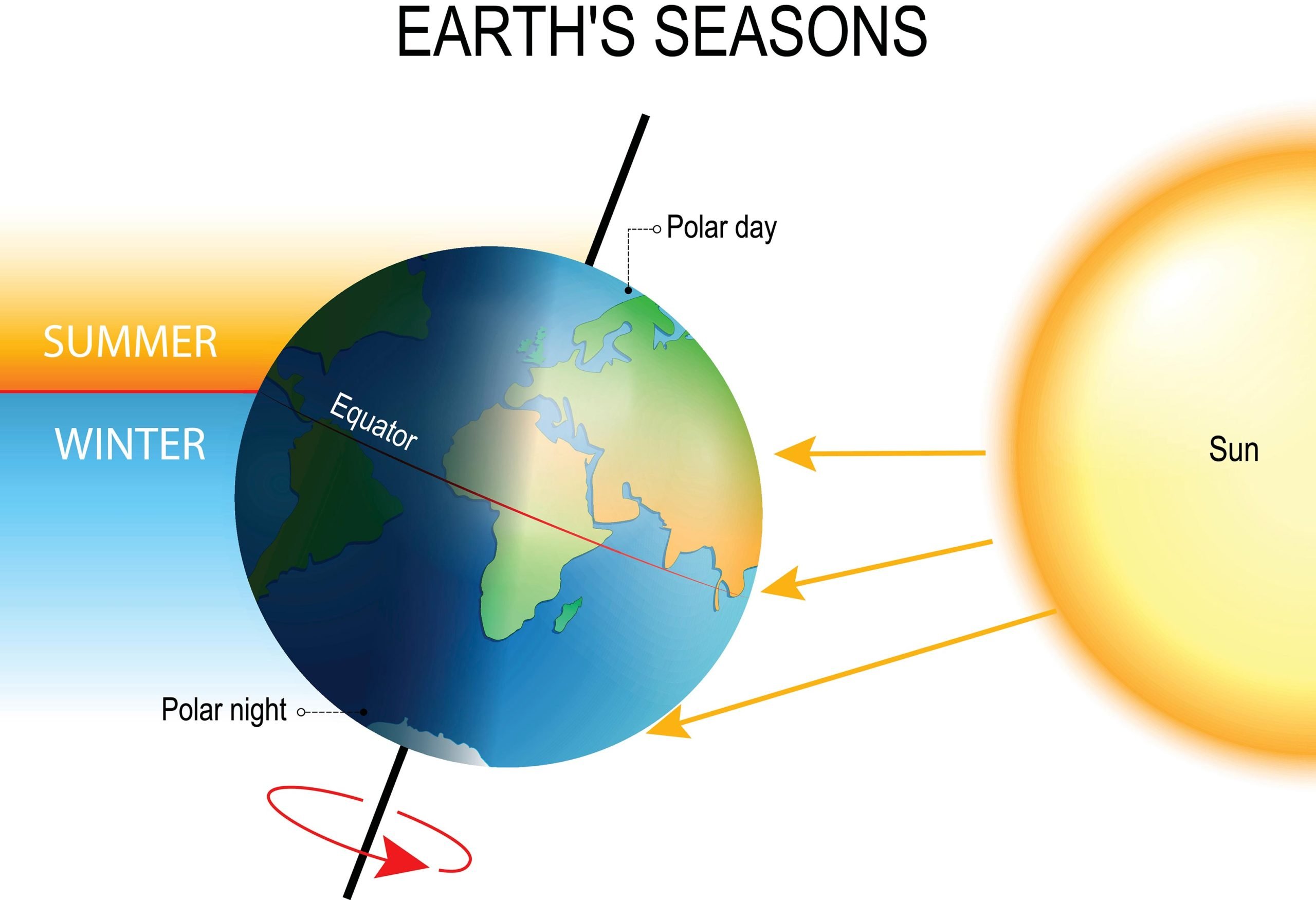
I don't understand how this was never explained to me in high school. Of course we learned that the tilt of Earth is what causes seasons, but I never understood why. Now I know why I didn't understand it, some part was missing.
And I literally thought I wasn't smart enough to understand.