Like he said, supply and demand. You are still at the mercy of what the customer is willing to pay. The customer will not pay an infinite amount, even for healthcare services.
But it is undeniable that doctors are paid considerably more than most other jobs. This is why.
That explains why doctors like the status quo. Insurers like it, too, because expensive tests and expensive procedures must be ordered by a doctor (at least if insurance is going to pay for it) and if the patient gives up on getting in to see a doctor, then the insurer does not need to pay for the expensive test or expensive procedure. In the US, employers like it, too, because they end up paying the insurance premiums for their employees.
> And the schools prefer it (at least in the US) - limited highly paid doctors means they can charge exorbitant tuition.
What's the evidence for your position? Researchers who study this question have shown that the cost of medical education is significantly higher than the price assessed to students.
In other words, having more medical students would cost schools money.
I would've thought that the medical schools care about revenue, which is course can be increased both by raising tuition and by increase number of students.
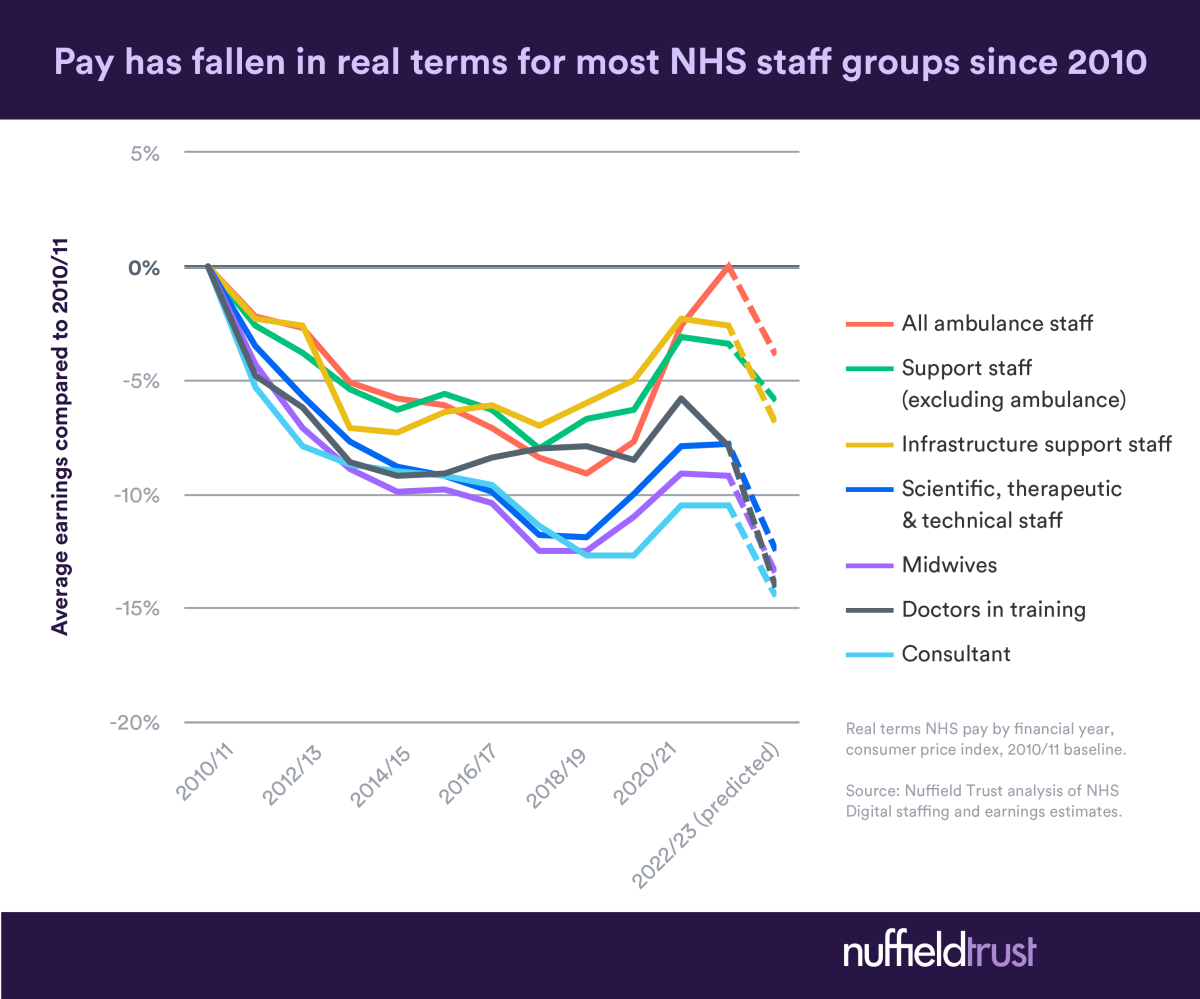
Perhaps there's a little of that going on here in the UK. Doctors can certainly command a decent salary especially if they specialise, run private clinics etc. That said, I feel it's probably more complicated than that. Each place costs approx £230k (only £65k paid by student by way of loans). This means increasing supply is a costly endeavour. The government also says that they wish to maintain teaching and learning standards; although, I don't really buy that part.
Of course the UK government can avoid the training cost by hiring foreigners. From my personal experience maybe half the NHS doctors are from overseas.