It is in fact largely the specific fuel that they burn. "Heavy fuel oil" is where the refineries direct almost all the sulfur and heavy metals originally present in the crude. The sulfur content of HFO can be, and often is, up to 3%.... cf auto diesel in the example 10 yo truck where a maximum of 10 ppm is permitted.
Incidentally, the kind of pollution control measures that are used on truck engines, eg cat converters, are unable to cope with the contaminants present in HFO. The catalyst becomes rapidly poisoned and ineffective. So a retrofit to conform with automotive standards is unfortunately not possible.
Thanks for the info. So if it's largely a refining problem, is anything lost if bunker fuel is simply outlawed? (Besides lower cost anyway?) Is bunker fuel an inescapable result/byproduct of petroleum refining, or can it be refined further into less-polluting, more desirable fuels?
It's complicated... crude oil is a mix of hydrocarbons with carbon chain lengths between say 5 and 40+, plus various impurities such as sulfur. It is refined into gasoline (~7-12 carbon atoms per molecule), diesel (~12-18) etc, with bunker fuel containing the heaviest fractions. It is possible to crack the heavy fractions into lighter ones, and this is commonly done at most refineries.
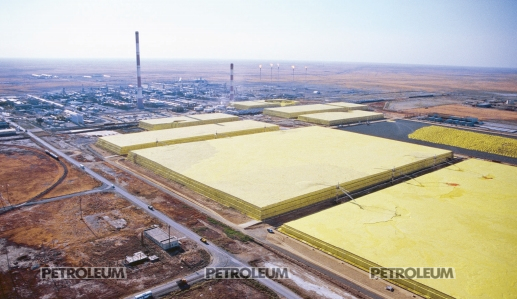
However, what to do with the impurities? You can take them out, but then disposal becomes a problem (see image below for example). So, if possible, refiners tend to leave them in the product.


Incidentally, the kind of pollution control measures that are used on truck engines, eg cat converters, are unable to cope with the contaminants present in HFO. The catalyst becomes rapidly poisoned and ineffective. So a retrofit to conform with automotive standards is unfortunately not possible.